When Night Work Pays Off and What Equipment You Need for It
Night work isn't just an emergency solution for tight deadlines – in many cases it's a deliberate choice that saves time, reduces traffic disruption, or allows a facility to keep running without interruption. We took a look at when night work pays off and what equipment it requires.
When Companies Turn to Night Work
The most common reasons for shifting work to nighttime hours are:
- Traffic and road works – maintenance or installation over or near roads and bridges is often done at night to limit the impact on daytime traffic.
- Round-the-clock operations – airports, hospitals, production halls, or shopping centers can't afford to interrupt operations during the day, so maintenance at height or technical work gets moved outside business/operating hours.
- Summer heat – for extended work at height, a night or early-morning shift can be easier on the operator than working in direct sun during the day.
- Deadline pressure – when a schedule needs to be caught up, a night shift can be a way to add working hours without disrupting the site's daytime operations.
What Night Work Demands from Equipment
Working after dark comes with specific requirements that need to be considered already when choosing a machine:
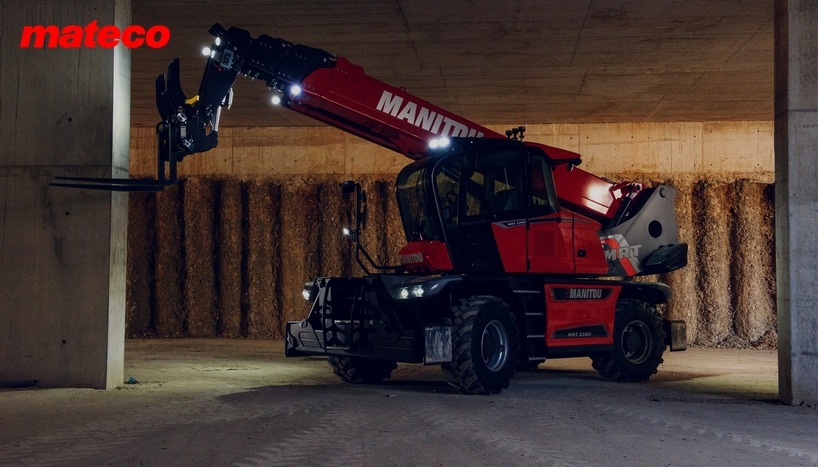
- Machine lighting – the work area and surroundings of the machine must be adequately lit; many modern platforms and telehandlers come equipped with built-in LED work lights.
- Quieter operation – if working near a residential zone or a facility that needs quiet despite the night work (e.g. a hospital), electric drive is a major advantage here – we covered this in more detail in our article on equipment electrification.
- Warning and signaling elements – beacons and reflective markings on both the machine and the work area improve visibility for surrounding traffic or pedestrians.
- Reliability and machine condition – during night work, it's less likely you can quickly get a replacement machine in case of a breakdown, so it's worth checking the availability of service support.
What to Watch Out for When Planning
- Local noise regulations – some cities and municipalities have their own rules for noisy work during nighttime hours; it's worth checking with the relevant authority in advance.
- Operator safety – reduced visibility raises the bar for both work-site lighting and operator experience.
- Availability of operators and equipment – night shifts require early planning – not just of the machine, but also of an operator experienced with night work.
Practical Tip
When planning night work, it's worth resolving three things in advance: what lighting the machine will need, whether anything nearby is noise-sensitive, and whether both equipment and operator availability are secured for the required date. We can go through these points together right at first contact.
Planning work outside regular hours? Create a non-binding inquiry and we'll advise you on which equipment best suits your night project.
Yours, mateco.